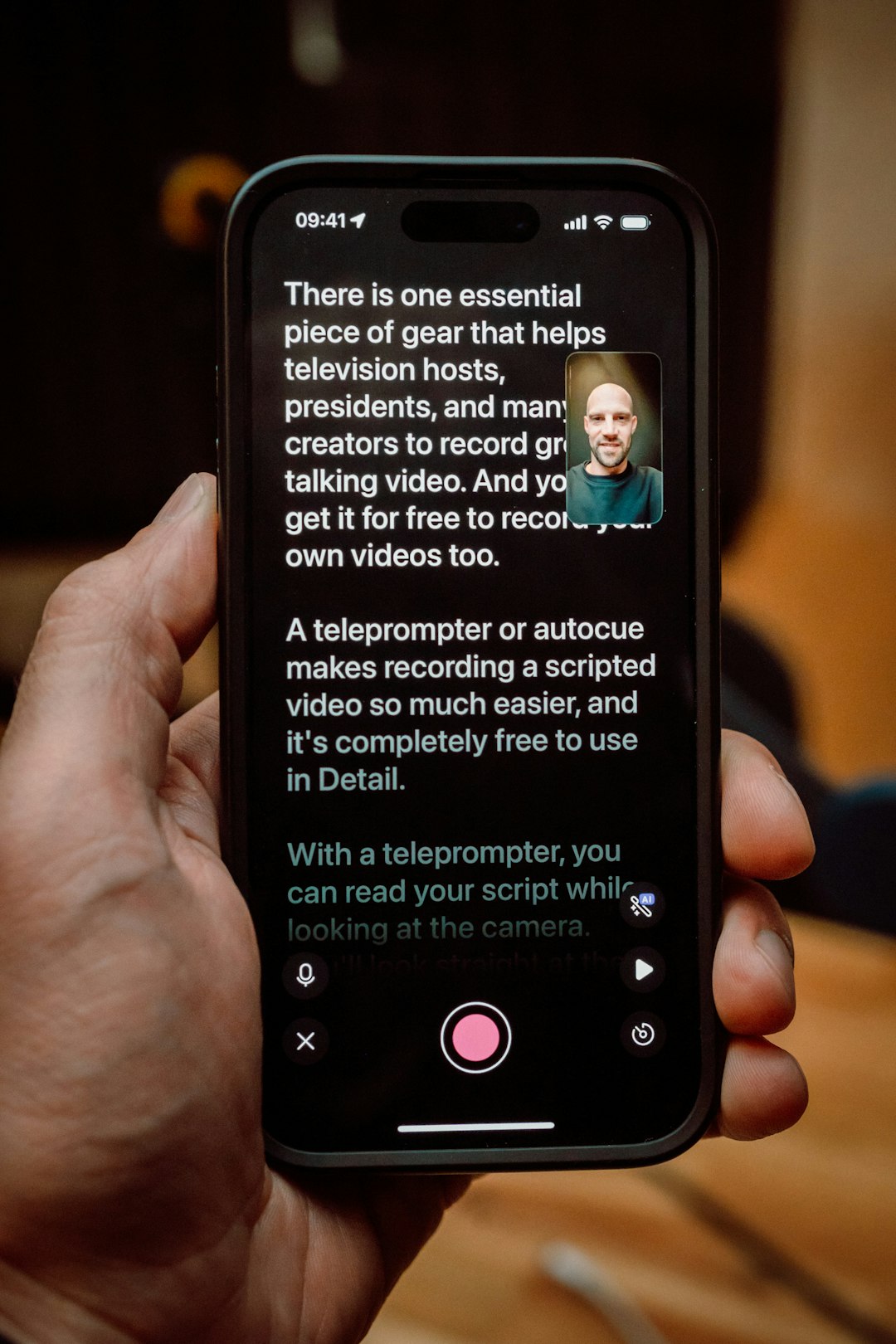

Research consistently shows that the majority of human communication is non-verbal. While exact percentages vary depending on context, studies suggest that between 60-90% of message meaning comes from non-verbal cues rather than words themselves. In professional settings, where impressions form quickly and stakes are high, mastering non-verbal communication becomes not just advantageous but essential for career success.
The Science Behind Non-Verbal Communication
Non-verbal communication operates largely at a subconscious level, both in how we express it and how we interpret it in others. This is why someone might give you a bad feeling despite saying all the right things, or why you instantly trust another person even in a brief encounter. Our brains are constantly reading micro-expressions, posture shifts, and gestural cues, forming impressions faster than conscious thought.
Understanding this subconscious nature is crucial because it means you cannot simply memorize a set of gestures and deploy them strategically. Authentic non-verbal communication aligns with your internal state and genuine intentions. The most effective approach involves developing self-awareness and cultivating confident, open states that naturally produce positive non-verbal signals.
The Foundation: Posture and Presence
Your posture is the foundation of your non-verbal communication, broadcasting confidence or insecurity from across a room. Confident posture involves standing or sitting tall with shoulders back and down, chest open, and weight evenly distributed. This position not only appears confident to others but actually affects your own psychological state through embodied cognition.
Avoid common posture mistakes that undermine professional presence. Slouching signals disengagement or low energy. Crossed arms create a barrier and suggest defensiveness or closed-mindedness, even if you're simply cold or comfortable. Leaning away from someone indicates disinterest or disagreement, while appropriate leaning forward shows engagement and interest.
Practice awareness of your default posture throughout the day. Do you collapse into chairs or maintain upright positioning? When standing, do you shift weight onto one leg or stand balanced? These habits become particularly important in high-stakes situations like interviews or presentations, where nervous tension often causes us to revert to ingrained patterns.
Eye Contact: The Window to Connection
Eye contact is perhaps the most powerful non-verbal tool for building connection and conveying confidence. Appropriate eye contact varies by culture, but in most Western professional contexts, maintaining eye contact for 50-70% of a conversation signals engagement and honesty. Too little eye contact appears evasive or uncertain, while constant, unbroken eye contact can feel aggressive or uncomfortable.
The key is natural, relaxed eye contact rather than an intense stare. Look at the person while they're speaking to show you're listening, and maintain eye contact when making important points to emphasize conviction. In group settings, distribute your eye contact among all participants rather than fixating on one person or avoiding certain individuals.
If sustained eye contact feels uncomfortable, try focusing on the bridge of someone's nose or their eyebrows rather than directly into their eyes. This creates the appearance of eye contact from their perspective while feeling less intense for you. With practice, genuine eye contact becomes more comfortable and natural.
Facial Expressions and Micro-Expressions
Your face is incredibly expressive, capable of conveying complex emotions through subtle combinations of muscle movements. In professional contexts, managing facial expressions means ensuring alignment between what you say and how you look. Smiling when delivering bad news or maintaining a severe expression when trying to be approachable creates cognitive dissonance that undermines your message.
Micro-expressions are fleeting facial expressions lasting just a fraction of a second that reveal true emotions before conscious control kicks in. While you cannot completely control these, awareness of your emotional state helps you manage the more sustained expressions that follow. If you feel frustration during a meeting, that feeling will likely leak through your expression no matter how professional your words remain.
Practice facial awareness by periodically checking what your face is doing throughout the day. Are you frowning while concentrating? Does your resting face look approachable or severe? Recording yourself during practice presentations or even casual conversations can provide revealing feedback about unconscious facial habits.
Gestures That Enhance Communication
Hand gestures serve multiple functions in communication. They help speakers organize and recall information, they emphasize key points, and they provide visual illustration of concepts. Natural, purposeful gestures enhance your message, while excessive, nervous gesturing distracts from it.
Effective gestures occur within an invisible box extending from your shoulders to your waist and out about a foot from your body. Gestures within this zone feel natural and emphasize without overwhelming. Gestures that are too small appear tentative, while those that are too large seem out of control or exaggerated.
Avoid nervous gestures that undermine confidence: playing with jewelry, touching your face or hair repeatedly, fidgeting with pens or other objects, or hand-wringing. These self-soothing behaviors broadcast anxiety and distract your audience from your message. If you struggle with nervous hand movements, practice holding a small object like a pen or note card that gives your hands something to do without being distracting.
Proxemics: The Use of Personal Space
The physical distance you maintain from others carries significant meaning. In professional Western contexts, social distance typically ranges from about 4 to 12 feet, while personal distance for conversations ranges from 1.5 to 4 feet. Violating these norms by standing too close creates discomfort, while maintaining too much distance seems standoffish or disengaged.
Cultural differences in proxemics are significant, with some cultures comfortable with closer proximity and others preferring more distance. When working in cross-cultural contexts, observe and adapt to local norms rather than imposing your own comfort level as the standard.
In virtual meetings, proxemics translates to how you position yourself relative to the camera. Sitting too close makes others uncomfortable and distorts your features, while sitting too far makes you seem disengaged and hard to see. Position yourself so your head and shoulders fill roughly two-thirds of the frame, creating a sense of appropriate professional distance.
Voice as Non-Verbal Communication
While voice conveys words, vocal qualities like tone, pace, volume, and pitch function as non-verbal communication. These paralinguistic features often carry more meaning than the words themselves. "Fine" spoken with enthusiasm means something entirely different from "fine" spoken with resignation, despite identical verbal content.
Develop vocal awareness through practice and recording. Are you speaking too quickly when nervous? Does your pitch rise at the end of statements, making them sound like questions? Is your volume appropriate for the setting, or are you speaking too softly or too loudly? These vocal qualities significantly impact how your message is received.
Strategic use of vocal variety enhances engagement and emphasis. Slowing down draws attention to important points. Lowering pitch conveys authority and confidence. Varying volume prevents monotony and maintains audience attention. Pauses, used strategically, create emphasis and give audiences time to process important information.
Reading Non-Verbal Cues in Others
Mastering non-verbal communication isn't just about controlling your own signals but also reading others accurately. This skill enhances your ability to respond appropriately in real-time, adjusting your approach based on feedback you observe in others' body language.
Look for clusters of signals rather than isolated gestures. Someone crossing their arms might simply be cold, but when combined with leaning back, minimal eye contact, and a tense expression, it more clearly indicates defensiveness or disagreement. Context matters enormously in interpretation.
Pay particular attention to incongruence between verbal and non-verbal signals. When someone says they're excited about an idea while displaying closed body language and a flat expression, their non-verbal communication is likely more truthful than their words. This awareness helps you navigate politics and understand unspoken concerns or resistance.
Adapting Non-Verbal Communication Across Contexts
Professional contexts vary widely, and effective non-verbal communication requires adaptability. A casual team meeting calls for more relaxed body language than a formal presentation to senior executives. An interview requires different non-verbal strategies than a negotiation.
Consider the formality of the situation, the cultural context, power dynamics, and the specific goals of the interaction. In general, match or slightly mirror the formality level of others present rather than being markedly more casual or more formal than the situation warrants.
Virtual communication introduces unique non-verbal challenges. Without full body visibility, attention shifts to facial expressions and upper body positioning. Maintain good posture even though only your upper body is visible; this affects your breathing, voice quality, and overall energy. Look at the camera when speaking to create the effect of eye contact, even though it feels unnatural.
Developing Non-Verbal Intelligence
Improving non-verbal communication requires consistent practice and feedback. Record yourself during practice presentations or meetings to observe your own patterns. Ask trusted colleagues for feedback about your non-verbal presence. Work with a coach who can provide detailed, specific guidance.
Practice mindfulness to increase awareness of your physical and emotional state throughout the day. Notice when you're tense and consciously release that tension. Observe successful communicators and note what makes their non-verbal presence effective. Experiment with subtle changes in your own patterns and notice how others respond differently.
Conclusion
Non-verbal communication profoundly impacts professional success, often determining whether you're perceived as confident, competent, and trustworthy or uncertain, inexperienced, and unreliable. The encouraging news is that unlike many professional skills, non-verbal communication can be improved dramatically through awareness and practice.
Start with the foundations of posture and presence, ensuring your physical bearing communicates confidence and engagement. Progress to more nuanced elements like facial expression management, purposeful gesturing, and skilled use of vocal variety. Throughout this development, remember that authenticity matters more than perfection. Your goal is not to manipulate others through calculated body language but to ensure your external presence accurately reflects your internal competence and confidence.
Master Professional Communication
Our comprehensive training programs include detailed coaching on non-verbal communication, with video analysis and personalized feedback to help you develop a powerful professional presence.
View Training Programs